Introduction
Annual maximum in dental insurance is one of the most important yet frequently misunderstood features of dental coverage plans. Many policyholders focus on premiums, deductibles, and coverage percentages, but overlook the annual maximum—the limit on how much the insurance company will pay for dental treatments within a single policy year.
Once this maximum limit is reached, the insurance provider stops paying for additional procedures until the plan resets at the beginning of the next coverage period. This structure can significantly affect how patients plan major treatments such as crowns, implants, and root canals.
Understanding the annual maximum in dental insurance helps patients avoid unexpected out-of-pocket expenses and make better decisions about treatment timing, preventive care, and insurance plan selection.
This comprehensive guide explains how annual maximum limits work, why insurers use them, how they affect dental treatment planning, and strategies patients can use to maximize their benefits each year.
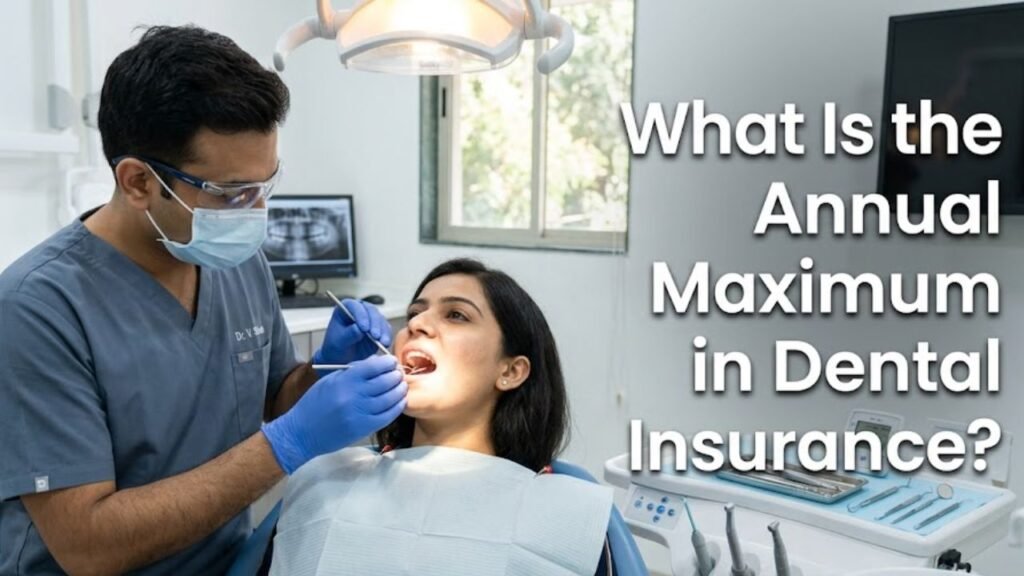
What Is an Annual Maximum in Dental Insurance?
The annual maximum in dental insurance refers to the maximum dollar amount that a dental insurance plan will pay toward covered dental services within a specific benefit year.
Once this spending limit is reached, the patient becomes responsible for all additional dental costs until the policy resets.
How the Annual Maximum Works
Dental insurance providers track the amount they pay for your dental treatments during the year.
When the total reaches the annual maximum limit:
- Insurance payments stop for the remainder of the year
- Patients must pay the full cost of additional treatments
- Coverage resumes when the new policy year begins
The policy year typically runs for 12 months, although the exact timing depends on the insurance provider.
Typical Annual Maximum Limits
Most dental insurance plans have annual maximums between:
| Plan Type | Typical Annual Maximum |
|---|---|
| Basic PPO Plan | $1,000 |
| Mid-Level Plan | $1,500 |
| Premium Plan | $2,000 |
| High-End Coverage | $2,500–$5,000 |
These limits have remained relatively stable for many years despite rising dental treatment costs.
Why Dental Insurance Plans Have Annual Maximums
Understanding why insurers impose an annual maximum in dental insurance helps explain how dental insurance differs from traditional medical insurance.
Cost Control for Insurance Providers
Dental insurance plans are structured more like benefit plans than comprehensive healthcare coverage.
Annual maximum limits allow insurance companies to:
- Predict overall claim costs
- Maintain affordable premiums
- Prevent excessive claims in a single year
This system helps stabilize the insurance market while providing basic dental coverage.
Risk Management
Dental treatments can vary widely in cost. Major procedures such as implants, bridges, and crowns can quickly accumulate thousands of dollars in expenses.
An annual maximum in dental insurance ensures insurers can manage financial risk across their policyholder base.
How Annual Maximums Affect Dental Treatment Coverage
The annual maximum in dental insurance directly influences how much financial support patients receive for dental procedures.
Coverage typically follows a tiered structure depending on the type of procedure.
Coverage Percentage Structure
Dental insurance plans often divide treatments into three categories:
| Treatment Category | Coverage Level |
|---|---|
| Preventive Care | 80–100% |
| Basic Procedures | 50–80% |
| Major Procedures | 25–50% |
Insurance payments from these procedures count toward the annual maximum.
For example, if a crown costs $1,200 and insurance covers 50%, the insurer pays $600. That $600 counts toward the annual maximum.
Procedures That Count Toward the Annual Maximum
Almost all restorative dental treatments contribute to the annual maximum in dental insurance.
However, preventive services may sometimes be excluded depending on the plan.
Common Treatments That Count Toward the Maximum
Procedures that usually apply toward the annual limit include:
- Tooth fillings
- Dental crowns
- Root canals
- Tooth extractions
- Dental bridges
- Dentures
- Periodontal treatments
These treatments can quickly accumulate insurance payments that reach the yearly limit.
Preventive Care Exceptions
Some dental plans exclude preventive care from the annual maximum.
Preventive services may include:
- Routine dental exams
- Professional cleanings
- Diagnostic X-rays
- Fluoride treatments
This structure encourages preventive care while preserving coverage for restorative treatments.
Example of How the Annual Maximum Works
To better understand the annual maximum in dental insurance, consider the following scenario.
Example Treatment Scenario
Suppose a patient has a dental insurance plan with a $1,500 annual maximum.
| Procedure | Cost | Insurance Coverage | Insurance Payment |
|---|---|---|---|
| Cleaning | $150 | 100% | $150 |
| Filling | $250 | 80% | $200 |
| Crown | $1,200 | 50% | $600 |
| Root Canal | $1,000 | 50% | $500 |
Total insurance payments: $1,450
The patient now has only $50 remaining before reaching the annual maximum.
Any additional procedures during the year would be paid entirely out of pocket.
Annual Maximum vs Deductible: Understanding the Difference
Patients often confuse the annual maximum in dental insurance with deductibles, but they serve very different purposes.
Deductible
A deductible is the amount the patient must pay before insurance begins covering dental treatments.
For example, a $100 deductible means the first $100 of dental expenses must be paid by the patient.
Annual Maximum
The annual maximum is the opposite limit. It represents the maximum amount the insurer will pay during the year.
| Feature | Deductible | Annual Maximum |
|---|---|---|
| Who pays | Patient pays first | Insurance pays up to limit |
| Purpose | Cost sharing | Spending cap |
| Example | $100 | $1,500 |
Understanding both features is essential when evaluating dental insurance plans.
What Happens When You Reach the Annual Maximum?
Once you reach the annual maximum in dental insurance, the insurance company will stop paying for covered services until the next policy year begins.
What Patients Can Expect
After reaching the limit:
- All additional dental procedures must be paid out of pocket
- Insurance coverage resumes when the plan resets
- Preventive services may still be partially covered depending on the plan
For this reason, dentists often recommend spreading major treatments across multiple benefit years.
Strategies to Maximize Your Annual Maximum
Patients can use several strategies to make the most of their annual maximum in dental insurance.
Schedule Treatments Strategically
If major dental procedures are required, it may be beneficial to schedule treatments across two benefit years.
For example:
- Root canal in December
- Crown placement in January
This allows patients to use two annual maximum periods.
Prioritize Preventive Care
Routine preventive care helps avoid expensive procedures that consume annual maximum benefits quickly.
Preventive care includes:
- Regular cleanings
- Dental exams
- Early cavity treatment
Understand Coverage Percentages
Knowing how your insurance plan covers different procedures helps predict how quickly you may reach the annual limit.
Coordinate Family Coverage
Families with multiple insured members may benefit from staggering treatments to ensure coverage remains available for all members.
High Annual Maximum Dental Plans
Some insurance providers offer higher annual maximum limits.
These plans may be beneficial for patients who expect frequent dental work.
Advantages of Higher Maximum Plans
Higher annual limits can provide:
- Greater financial protection
- More coverage for major procedures
- Reduced out-of-pocket costs
However, these plans often come with higher monthly premiums.
Example High-Maximum Plans
| Plan Level | Annual Maximum |
|---|---|
| Standard Plan | $1,000 |
| Enhanced Plan | $1,500 |
| Premium Plan | $2,500 |
| Elite Plan | $5,000 |
Patients should compare premiums with expected treatment needs when selecting a plan.
Annual Maximum and Major Dental Procedures
Major dental procedures are the most likely to consume the annual maximum in dental insurance.
Expensive Procedures That Use Annual Limits Quickly
Common high-cost dental treatments include:
- Dental implants
- Multiple crowns
- Full dentures
- Extensive periodontal treatment
- Orthodontic care
Because these procedures can exceed annual limits, treatment planning becomes essential.
Multi-Year Treatment Planning
Dentists often recommend scheduling certain treatments across two policy years.
This approach allows patients to use multiple annual maximum limits for major procedures.
When Dental Insurance May Not Be Enough
While dental insurance can reduce costs, the annual maximum in dental insurance means coverage is limited.
Patients requiring extensive dental treatment may need additional financial strategies.
Alternative Payment Options
Common alternatives include:
- Dental discount plans
- Health savings accounts (HSA)
- Flexible spending accounts (FSA)
- In-house dental membership plans
These options can help supplement insurance coverage.
FAQs
What is the annual maximum in dental insurance?
The annual maximum in dental insurance is the maximum amount the insurance company will pay for covered dental treatments within a policy year.
What happens if I exceed my annual maximum?
If the annual maximum is reached, the patient must pay the full cost of additional treatments until the policy resets.
Do preventive services count toward the annual maximum?
In many plans they do, although some policies exclude preventive services to encourage regular dental visits.
What is the average annual maximum for dental insurance?
Most dental insurance plans have annual maximums between $1,000 and $2,000.
Does the annual maximum reset every year?
Yes. The annual maximum resets at the beginning of each policy year.
Conclusion
The annual maximum in dental insurance plays a critical role in determining how much financial support patients receive for dental care each year. While dental insurance can significantly reduce treatment costs, the annual maximum places a limit on how much the insurer will contribute toward covered procedures.
Most dental plans provide annual maximum limits between $1,000 and $2,000, which means patients must plan treatments carefully when facing major dental procedures.
By understanding how annual maximum limits work, scheduling treatments strategically, and prioritizing preventive care, patients can maximize their dental benefits and reduce unexpected out-of-pocket expenses.
Ultimately, selecting the right dental insurance plan and understanding its annual maximum structure allows patients to make informed decisions about both their oral health and financial planning.
Find Your Perfect Dentist
Easily book appointments with top-rated dentists in your area
Need Emergency Dental Care?
Get immediate help from verified dental professionals